£99 for the first 90-minute consultation

£99 for the first 90-minute consultation

Digestive issues encompass a wide range of conditions affecting the gastrointestinal tract, causing symptoms such as bloating, gas, constipation, diarrhoea, and abdominal pain. Optimal gut health is crucial because over 70% of the immune system resides in the gut. It not only governs digestion; nutrient absorption and immune function de
Digestive issues encompass a wide range of conditions affecting the gastrointestinal tract, causing symptoms such as bloating, gas, constipation, diarrhoea, and abdominal pain. Optimal gut health is crucial because over 70% of the immune system resides in the gut. It not only governs digestion; nutrient absorption and immune function depend on how healthy your gut is. Microbial imbalances in the gut (dysbiosis) lead to various symptoms such as Candida, fatigue, obesity, diabetes, IBS, autoimmune conditions, hormonal imbalances, allergic reactions, skin problems, cognitive issues, depression and anxiety.

Sugar and carb cravings are extremely common, whether it is an afternoon urge for a sugary, starchy snack or a late night sweet tooth. But why do we crave these and how can we manage them without giving in? There could be various reasons for these cravings including poor blood sugar management, biological mechanisms, stress triggered
Sugar and carb cravings are extremely common, whether it is an afternoon urge for a sugary, starchy snack or a late night sweet tooth. But why do we crave these and how can we manage them without giving in? There could be various reasons for these cravings including poor blood sugar management, biological mechanisms, stress triggered habit, poor sleep quality and/or habitual patterns. At the consultation, we will explore the reason behind your cravings and plan practical and sustainable ways to keep them under control.

According to medical researches, there are over 60 possible symptoms of this life phase, ranging from hot flushes, night sweats, mood changes, anxiety, depression, fatigue, brain fog, itchy skin, joint pain to headaches, sleep issues, recurring UTIs and even excessive wind. Menopause can bring back or worsen old, dormant health, emotio
According to medical researches, there are over 60 possible symptoms of this life phase, ranging from hot flushes, night sweats, mood changes, anxiety, depression, fatigue, brain fog, itchy skin, joint pain to headaches, sleep issues, recurring UTIs and even excessive wind. Menopause can bring back or worsen old, dormant health, emotional, or physical issues. As hormone levels like oestrogen and progesterone drop, systems that were previously balanced or able to cope can become stressed, revealing past vulnerabilities.

Low energy and fatigue are very common issues that we experience in the modern life we live in. While they are often linked to everyday stress, poor sleep habits, or nutrient deficiencies, they can also act as important signals from our bodies when deeper issues are at play. Applying simple dietary strategies, lifestyle changes and stre
Low energy and fatigue are very common issues that we experience in the modern life we live in. While they are often linked to everyday stress, poor sleep habits, or nutrient deficiencies, they can also act as important signals from our bodies when deeper issues are at play. Applying simple dietary strategies, lifestyle changes and stress management techniques will often rebalance your energy levels.
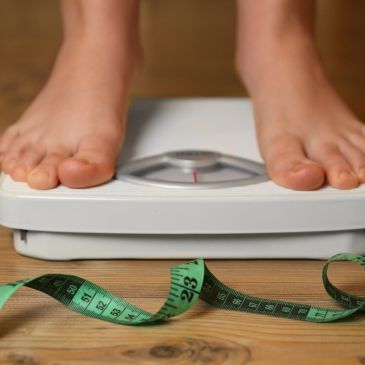
Weight management is essential for our physical, mental and emotional wellbeing. Maintaining a healthy weight helps prevent chronic diseases, boosts our energy, increases mobility, promotes better sleep, supports a strong immune system and improves our overall quality of life. A lot of times, simple and sustainable dietary changes and lifestyle modifications are all we need.

If your choice of weight loss is jabs / pills (e.g. Wegovy, Ozempic, Mounjaro), implementing appropriate diet and lifestyle habits become extremely important prior to, during and after the application, so that you can sustain a long-term healthy weight management. However, a diet or lifestyle alteration that works well for one person m
If your choice of weight loss is jabs / pills (e.g. Wegovy, Ozempic, Mounjaro), implementing appropriate diet and lifestyle habits become extremely important prior to, during and after the application, so that you can sustain a long-term healthy weight management. However, a diet or lifestyle alteration that works well for one person may not suit another due to various factors such as one's unique metabolic responses, health statuses, and gut microbiomes, so a personalised and well-informed approach is absolutely vital.
If you are also considering reducing your dose or transitioning off the jabs / pills but feel somehow stuck with them, we will be happy to work with you to rebuild a sustainable, easy-to-follow dietary and lifestyle plan.
.

Hormonal imbalances bring a myriad of issues including premenstrual syndrome (PMS), PMOS (Polyendocrine Metabolic Ovarian Syndrome-formerly called polycystic ovary syndrome, PCOS), premenopausal syndrome, uterine fibroids and endometriosis, and symptoms often include weight gain, skin issues, mood changes, decreased libido and sleep disruption.
First of all, big congratulations on your sobriety. Your past struggles with alcoholism and addiction may well have affected many aspects of your life, including severe nutrient deficiency, impaired digestion, increased inflammation in the body, lowered absorption of nutrients, hormonal imbalance and compromised stress response. Educat
First of all, big congratulations on your sobriety. Your past struggles with alcoholism and addiction may well have affected many aspects of your life, including severe nutrient deficiency, impaired digestion, increased inflammation in the body, lowered absorption of nutrients, hormonal imbalance and compromised stress response. Educating yourself about nutrition, and optimising your diet, lifestyle, and supplementation can help restore the foundational building blocks necessary for your body and mind to repair, heal, and rebuild.

Skin conditions refer to a wide range of disorders that affect the skin’s appearance, texture, or function. These conditions can result from various causes, including infections, inflammation, autoimmune reactions, genetic factors, environmental factors, and lifestyle choices. Some common skin conditions include acne, eczema, psoriasis,
Skin conditions refer to a wide range of disorders that affect the skin’s appearance, texture, or function. These conditions can result from various causes, including infections, inflammation, autoimmune reactions, genetic factors, environmental factors, and lifestyle choices. Some common skin conditions include acne, eczema, psoriasis, rosacea, dermatitis, hives, vitiligo, and fungal infections.